Landlines are dying. What replaces them?
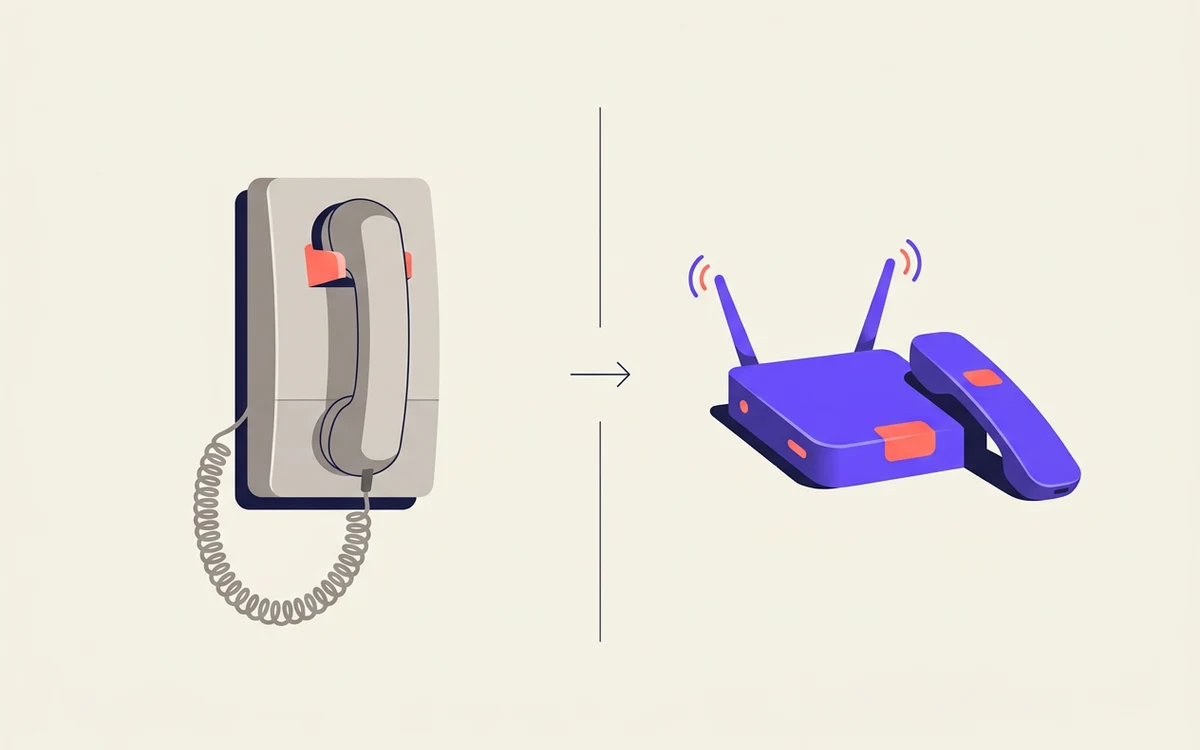
The copper network is being switched off on a published timetable. What replaces it mostly looks identical — until the power goes out.

The most common small business phone problems include using personal phone numbers, bare-bones voicemail, and non-local area codes.

Is your small business phone causing more confusion than connections? You might not realize all of the ways it’s harming your business, and leaving your customers and clients wishing they hadn’t dialed at all.
From area code annoyances and voicemail messages that need a serious makeover, let’s take a lighthearted look at these blunders and explore why they might be making your customers shake their heads in disbelief …
Ever called a business and ended up talking to someone who sounded like they were chatting from their living room? If your employees are using personal cell numbers, that might be the case! It’s not just unprofessional; it’s like inviting clients to your backyard barbecue.
Plus, without a proper voicemail message, customers might think they’ve dialed the wrong number. You don’t want to call up a business and hear ‘You’ve reached Annie and family. Leave a message.’
Imagine passing a note in elementary school, but instead of whispering secrets, it’s crucial client information. That’s what happens when there’s only one business phone number. Messages can get lost in translation (literally), and clients might feel like they’re playing a game of telephone tag.
Even if your business has a microscopic budget for phone plans, do NOT share one line for everyone. (Keep reading, and we’ll share a super cheap solution at the end.)
If your business phone rings and rings with no one answering, it’s not a suspenseful thriller – it’s a customer service nightmare. Frustrated clients might feel like they’ve stumbled upon a mysterious realm where calls go unanswered and voicemails vanish into thin air.
Picture this: A client calls, and instead of a helpful voicemail, they’re greeted with silence or a vague “Leave a message.”
Your outgoing voicemail is like the front door of your business – it should give visitors (or callers) the information they need. If it lacks essential details like operating hours or your website, you might as well post a “Closed” sign.
If your business has a phone number with an area code from another universe (or at least another town), potential customers might hesitate to call. In a world where locality matters, an unfamiliar area code could make your business seem light-years away. People want to connect with their community, not dial a long-distance number.
So if you’ve moved to the area recently and you decide it’s fine to use your old phone number, just … don’t. Get a local number instead. (An app like Hushed makes it easy to get a low-cost business phone number in a local area code.)
We’ve all been there – trapped in the labyrinth of an overly complicated automated phone system, desperately pressing buttons and shouting “representative” into the void. Simplify the process, and your customers will thank you. Who needs a spell-by-name directory when you can just provide the direct line to the department they need?
If the answer is yes, fear not! It’s never too late to bring a touch of professionalism and efficiency to your business communication. Oh, and it also won’t cost a lot of money.
Use an app like Hushed to create dedicated business phone numbers, and you’ll be on your way to creating a smoother, more customer-friendly experience. After all, in the world of small business, every call counts!
The copper network is being switched off on a published timetable. What replaces it mostly looks identical — until the power goes out.
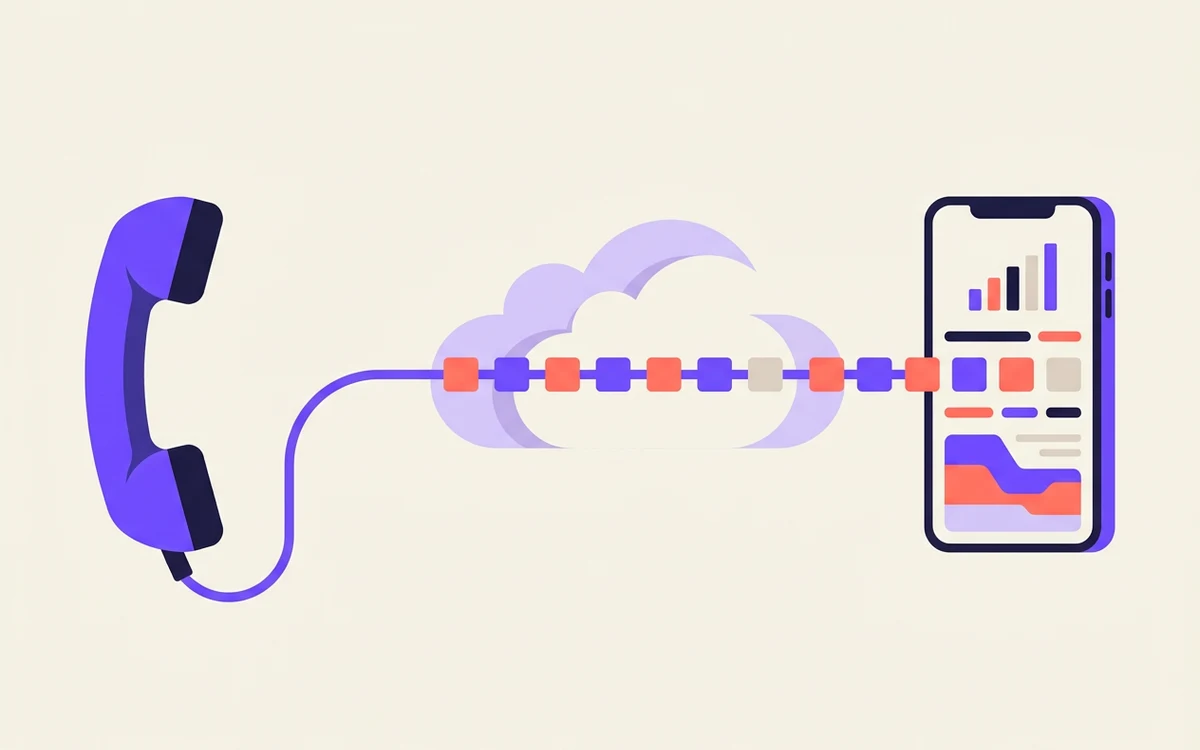
VoIP just means your voice travels over the internet instead of the old telephone network. Here's what that changes, what it doesn't, and where it's worse.
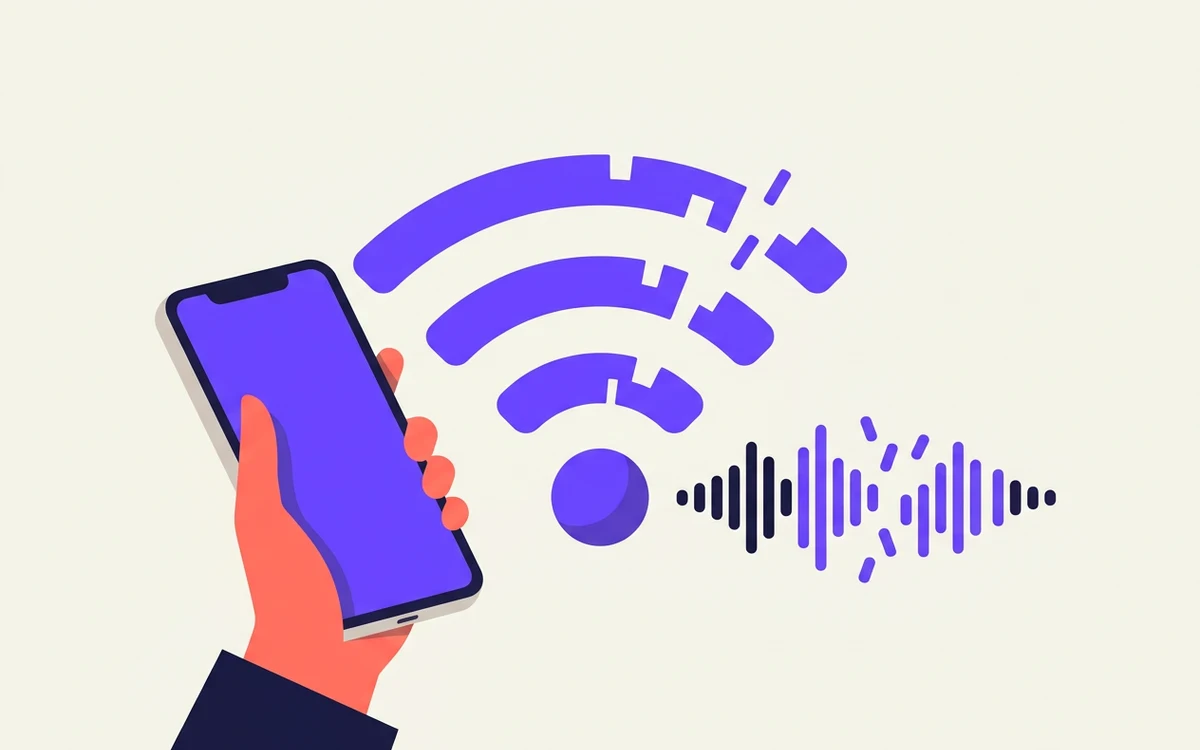
Choppy Wi-Fi calls are almost never about speed. A 500 Mbps connection can sound terrible. Here's what actually causes it and what to change.