Landlines are dying. What replaces them?
The copper network is being switched off on a published timetable. What replaces it mostly looks identical — until the power goes out.

A business landline costs real money every month for something most small businesses no longer use. Here's when it still earns its keep and when it doesn't.
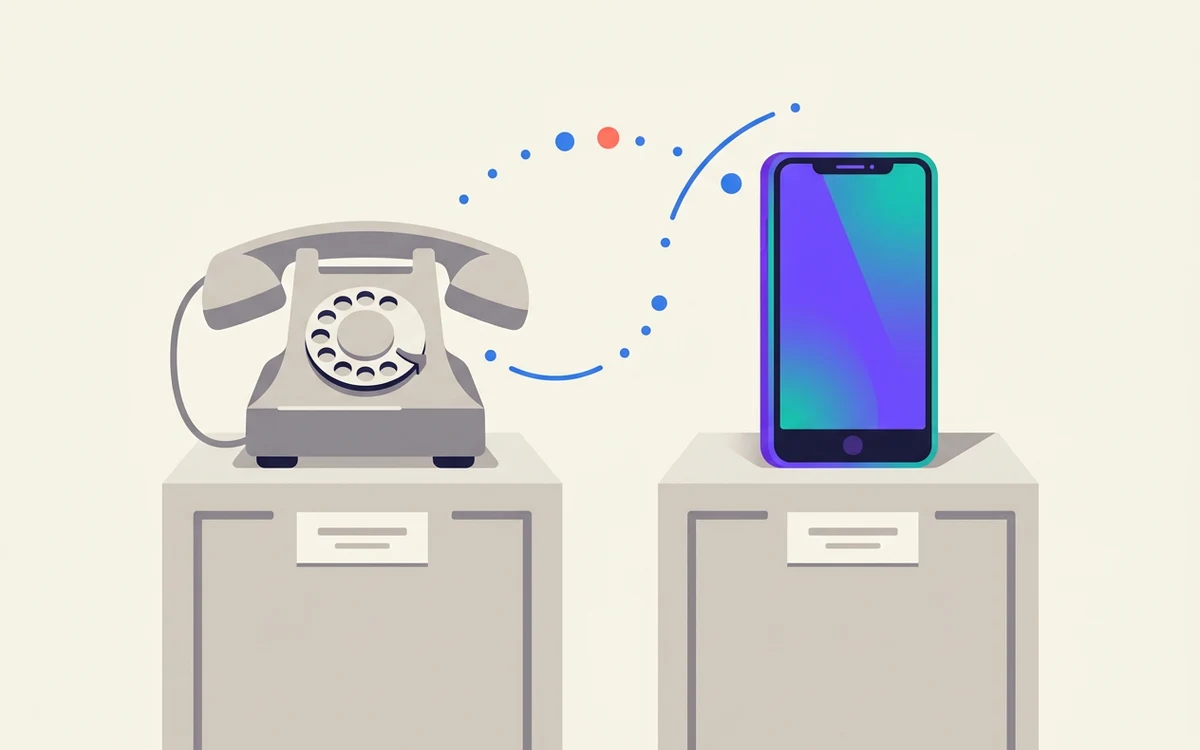
A business landline is one of those costs that survives because nobody reviews it. The line rental goes out every month, the handset sits on a desk, and the last time anyone actually answered it is genuinely hard to remember.
So: does your business still need one? For most small businesses the honest answer is no. But not for all of them, and the exceptions matter.
Three things, and only three.
It works in a power cut. A traditional copper line is powered from the telephone exchange, not from your building. When the electricity goes, the phone keeps working. Nothing that runs over your internet does.
It has a fixed address. Emergency services know where a landline is. A number that can be used anywhere is harder to locate.
It signals permanence. A geographic number on a shopfront still reads as a real business with a real address. Less than it used to, but not nothing.
Line rental every month whether you use it or not, per-minute charges on many call types, and a separate bill for anything international. Add a second line and you pay it all again.
Against that, a virtual or app-based business number typically costs a few dollars a week with calling included, and adding a line is a change in a settings page rather than an engineer visit.
For a business making a handful of outbound calls a month, the landline is usually the single worst value line on the bill.
This is the part that changes the decision for a lot of people.
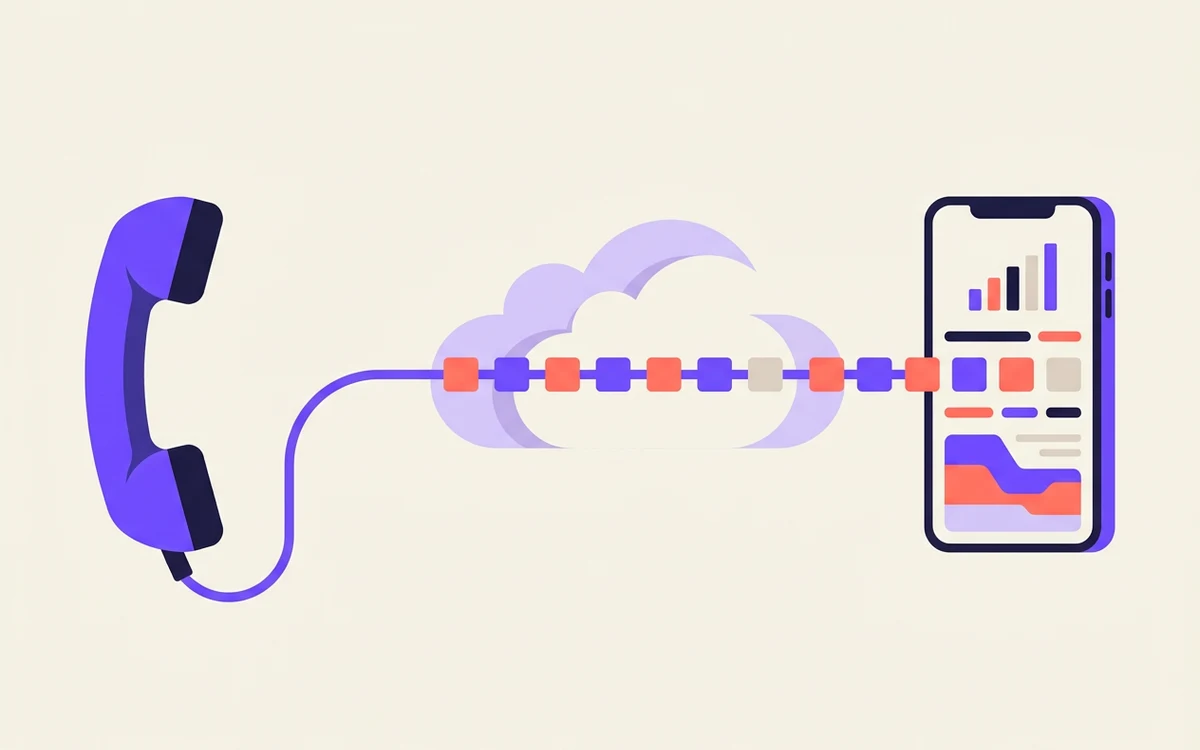
The copper telephone network is being decommissioned, country by country, on published timetables. Operators are moving voice onto the internet and retiring the old infrastructure.
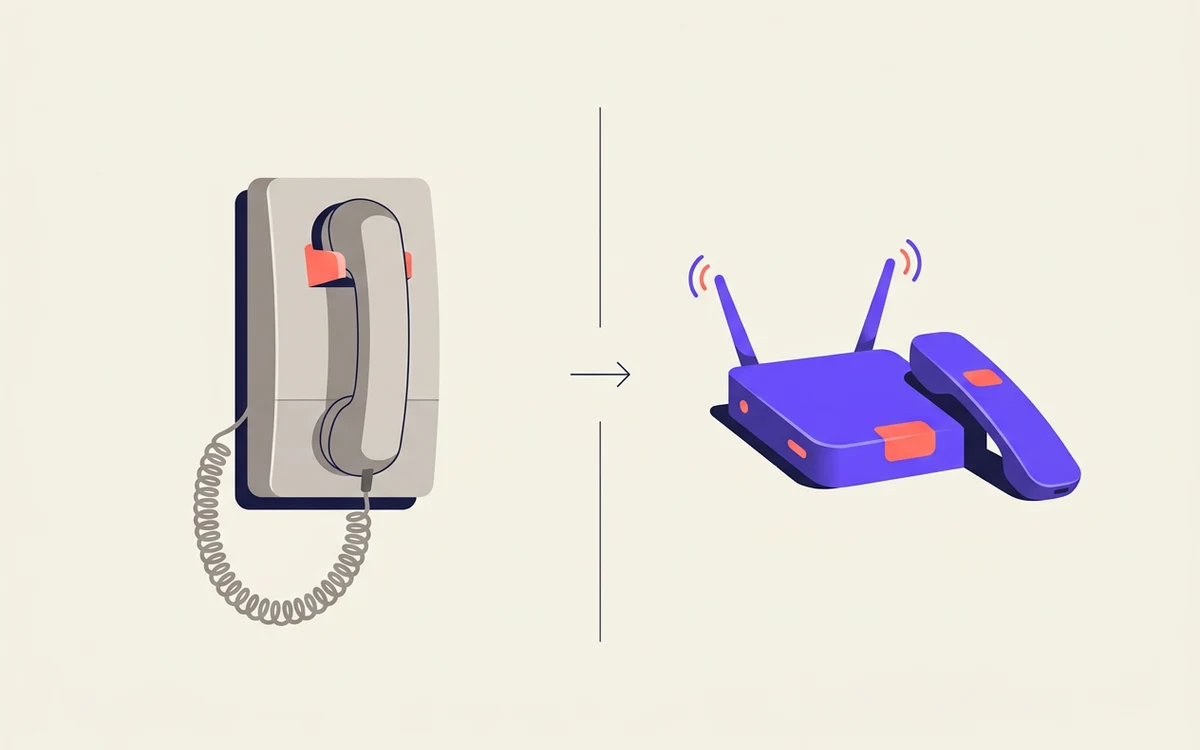
In practice that means your socket stops connecting to an exchange and starts connecting to a router. Same handset, same number, same dial tone — and no power in a cut, because the thing powering it is now in your building.
So "keep the landline for resilience" has a time limit on it. Worth knowing when your line is scheduled to migrate before you build a plan around it.
Everyone else, honestly. If your landline rings three times a month and two of them are sales calls, it is costing you money to receive spam.
The common case is a business that moved to mobiles years ago and kept the landline out of caution. The caution is reasonable; the line is no longer how you get it.
Three options, in rough order of how many businesses they suit.
A second number on the phone you already carry. Cheapest and fastest. You get a business number with its own voicemail and its own hours, ringing the handset in your pocket. Right for sole traders and small teams.
A hosted phone system. Extensions, call routing, hunt groups — all configured in a browser. Right once you have staff who need to transfer calls to each other.
A mobile with a good business plan. Sometimes the simplest answer is one number, properly managed, with the landline cancelled.
Done in that order it is dull and uneventful, which is exactly what you want from a phone migration.
The copper network is being switched off on a published timetable. What replaces it mostly looks identical — until the power goes out.
VoIP just means your voice travels over the internet instead of the old telephone network. Here's what that changes, what it doesn't, and where it's worse.
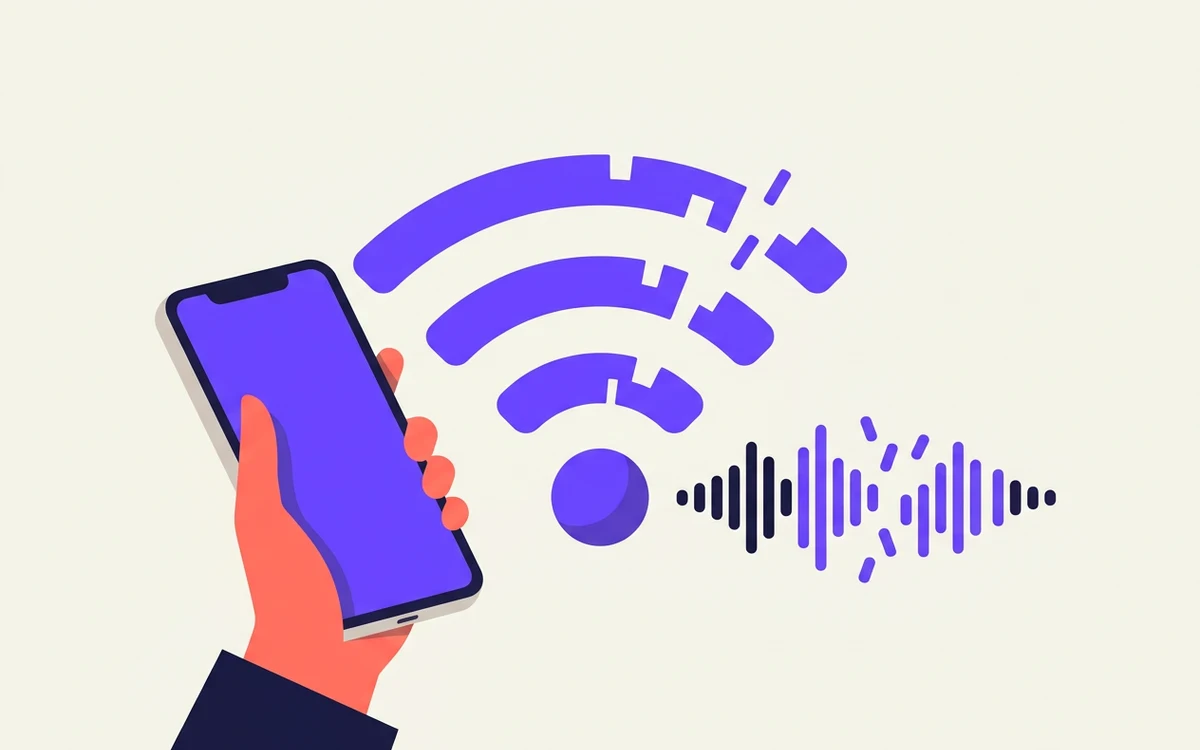
Choppy Wi-Fi calls are almost never about speed. A 500 Mbps connection can sound terrible. Here's what actually causes it and what to change.