Can you use two SIMs at once? A plain guide to dual SIM
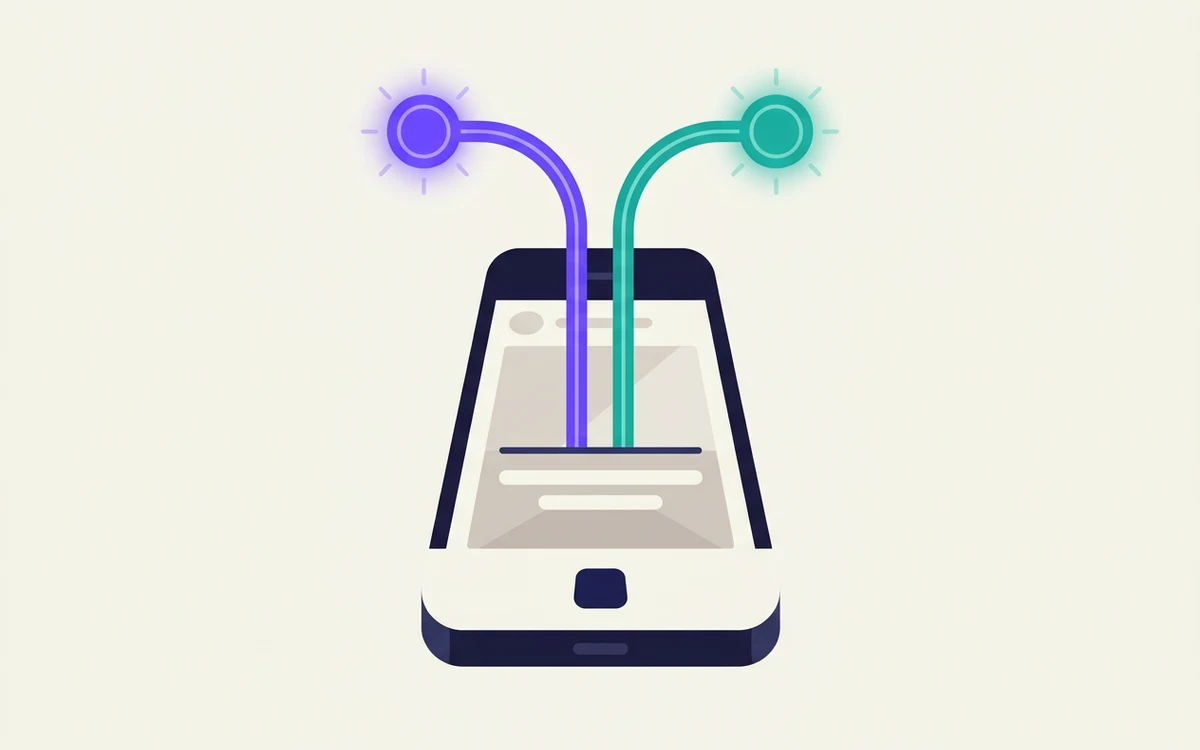
Dual SIM means your phone holds two lines. It does not mean both work the same way at the same time. Here is what actually happens when you run two.

Italy has four competing networks and excellent urban coverage. The gaps are where you'd expect — mountains, small islands and the roads between hill towns.
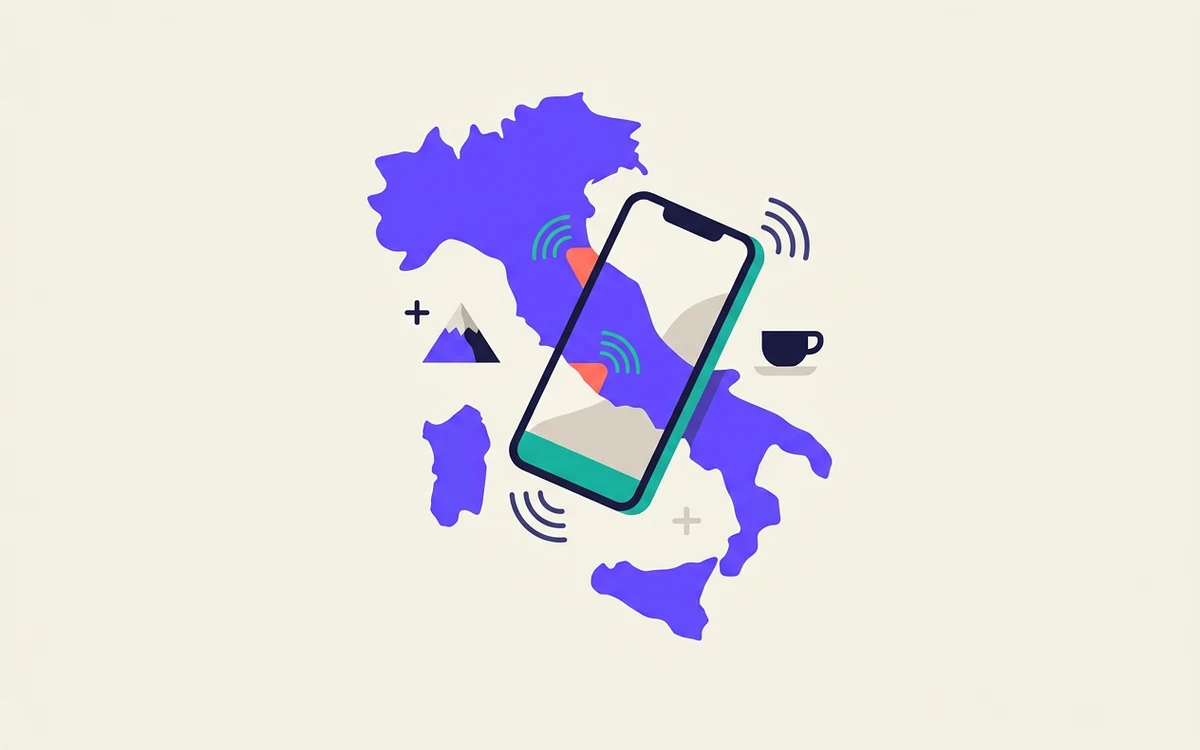
Italy is well served. Four operators compete hard, urban coverage is fast and dense, and an eSIM will have you connected before you clear the airport.
The gaps are geographic rather than technical, and they are entirely predictable once you know where to look.
EU plan? Italy is included at your domestic rate under EU roaming rules. Buy nothing.
UK plan? Check — post-Brexit arrangements differ by provider, and some charge a daily fee.
Anywhere else? A travel eSIM will cost a fraction of carrier roaming.
Four operators run infrastructure: TIM, Vodafone, WindTre and Iliad.
TIM and Vodafone have the broadest reach, particularly in the south and on the islands. WindTre is strong in the north and in cities. Iliad is the newest and leans on partner coverage in some rural areas.
For Rome, Florence, Venice and Milan the difference is negligible. For Sardinia, inland Sicily or the Dolomites, TIM or Vodafone is the safer bet.
All the major cities, the entire Rome–Florence–Venice corridor, and the Amalfi and Ligurian coastal towns themselves. The high-speed rail line between Milan, Bologna, Florence, Rome and Naples has good coverage for most of the route, with the usual tunnel interruptions.
The Rome and Milan metros have mobile coverage on most lines, which is not true everywhere in Europe.
If you are driving in Tuscany, download offline maps before you set off. This is the single most common Italian connectivity complaint and it is entirely avoidable.
A week of city sightseeing tends to land around 3–5 GB. Italy pushes maps usage higher than most — the cities are dense, the street layouts are old, and almost everyone navigates on foot with a phone in hand.
Add a couple of gigabytes if you are driving between regions.
For a holiday, no. Museum tickets, trains, restaurants and transfers are all bookable online, and the apps work the same as at home.
You need one for a long stay, a rental agreement, or anything involving Italian administration — and for a month or more, a local SIM bought in a shop will be cheaper than a traveller plan as well as giving you the number.
Dual SIM means your phone holds two lines. It does not mean both work the same way at the same time. Here is what actually happens when you run two.
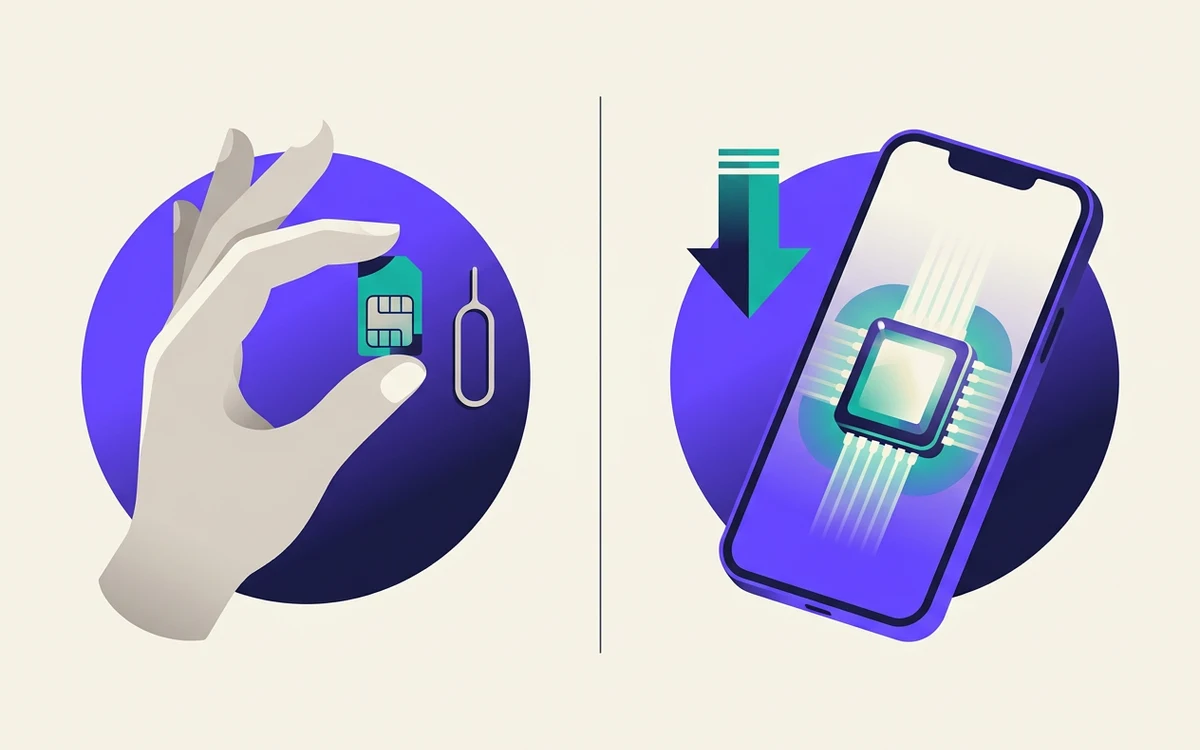
An eSIM is not a different kind of phone service. It changes how you buy and install a line — and almost nothing about how the line behaves once you have it.