Landlines are dying. What replaces them?
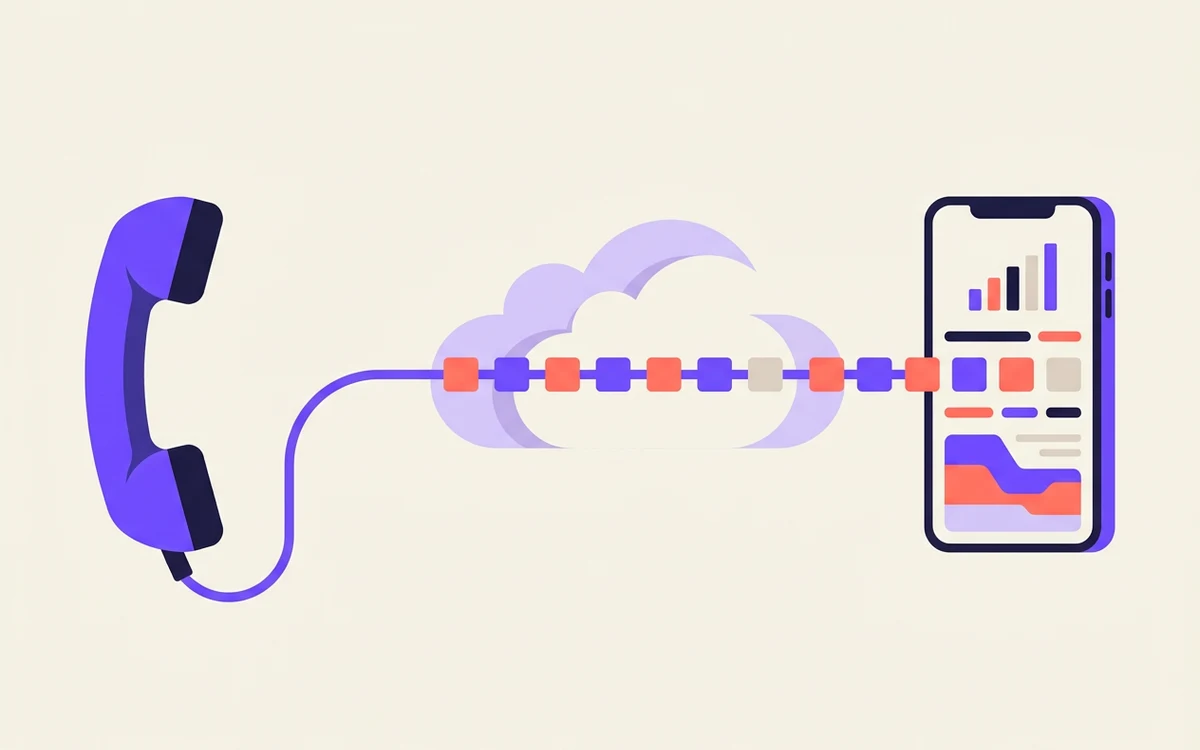
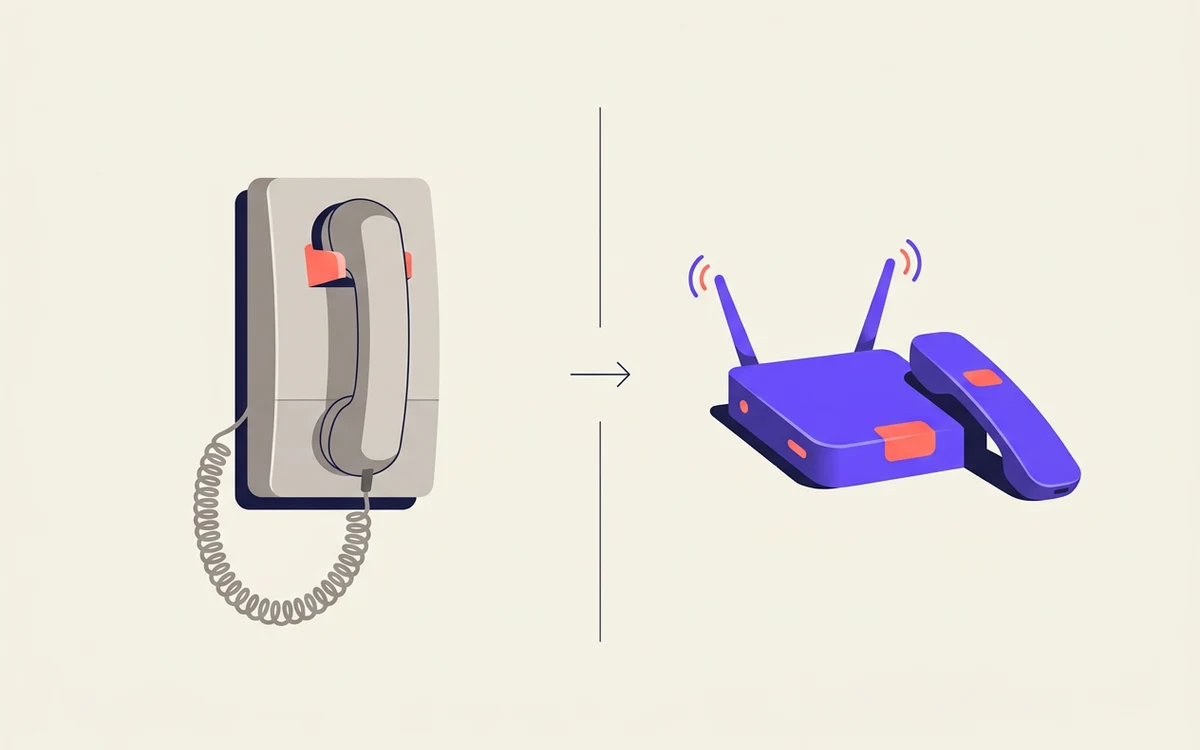
The copper network is being switched off on a published timetable. What replaces it mostly looks identical — until the power goes out.

You can run a phone almost entirely over Wi-Fi, and some people do. Here's what actually breaks when you drop the plan — and it isn't the calls.
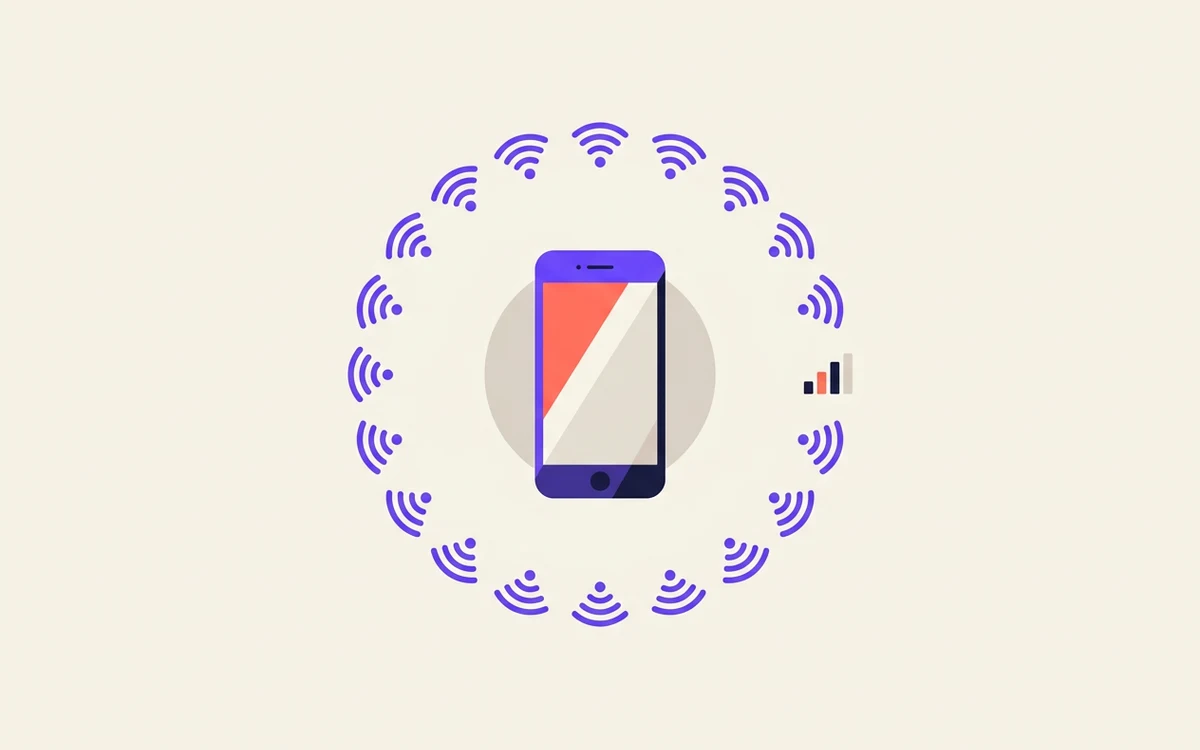
It is a fair question. You wake up on home Wi-Fi, work on office Wi-Fi, and the café, the gym and the train all have their own. Calls and messages go through apps. So what is the cellular plan actually for?
You can do it. People do. But what breaks is not what most people expect.
More than you would think.
Banks, airlines, government services and your employer all want to text a code to a number. Many of them specifically refuse app-based numbers, because those are easy to obtain and hard to tie to a person.
You discover which ones refuse at the worst possible moment. Moving critical accounts to an authenticator app first is the fix, and it takes an evening.
Wi-Fi everywhere turns out to mean Wi-Fi in most places, with gaps. The walk between them. The underground. A taxi. A friend's house whose password nobody remembers. A broken router at exactly the wrong time.
The gaps are short and usually harmless — until you are lost, late, or trying to reach someone.
Captive portals that need a login, networks that block calling protocols, hotel Wi-Fi that collapses at 8pm. Even where a network exists it may not carry a call.
An app-based number works, but some people and systems will not call one, and some automated systems cannot text one.
Rather than dropping the plan, shrink it.
If Wi-Fi handles most of your data, you do not need a large data allowance — you need a small one for the gaps, plus the calls and texts that keep verification codes arriving. The cheapest plans with minimal data are often a fraction of what people are paying.
Pair that with Wi-Fi calling enabled, so calls route over Wi-Fi whenever it is available and fall back to cellular when it is not. You get most of the saving and none of the failure modes.
Dropping your plan entirely works if you have a predictable life and a second phone that does have one.
For everyone else, the honest answer is to keep a plan and make it smaller. The cellular connection is not there for your daily browsing any more. It is there for the twenty minutes a month when there is no Wi-Fi and it actually matters.
The copper network is being switched off on a published timetable. What replaces it mostly looks identical — until the power goes out.
VoIP just means your voice travels over the internet instead of the old telephone network. Here's what that changes, what it doesn't, and where it's worse.
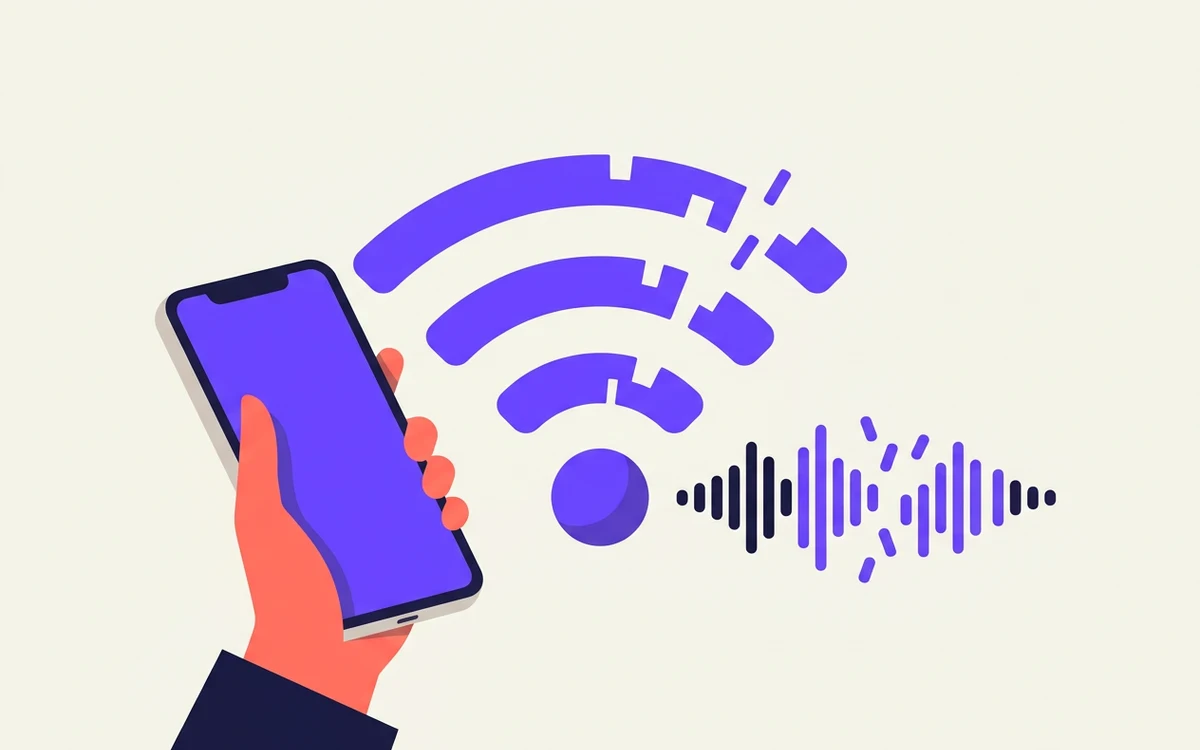
Choppy Wi-Fi calls are almost never about speed. A 500 Mbps connection can sound terrible. Here's what actually causes it and what to change.