Why Wi-Fi calling sounds choppy, and how to fix it
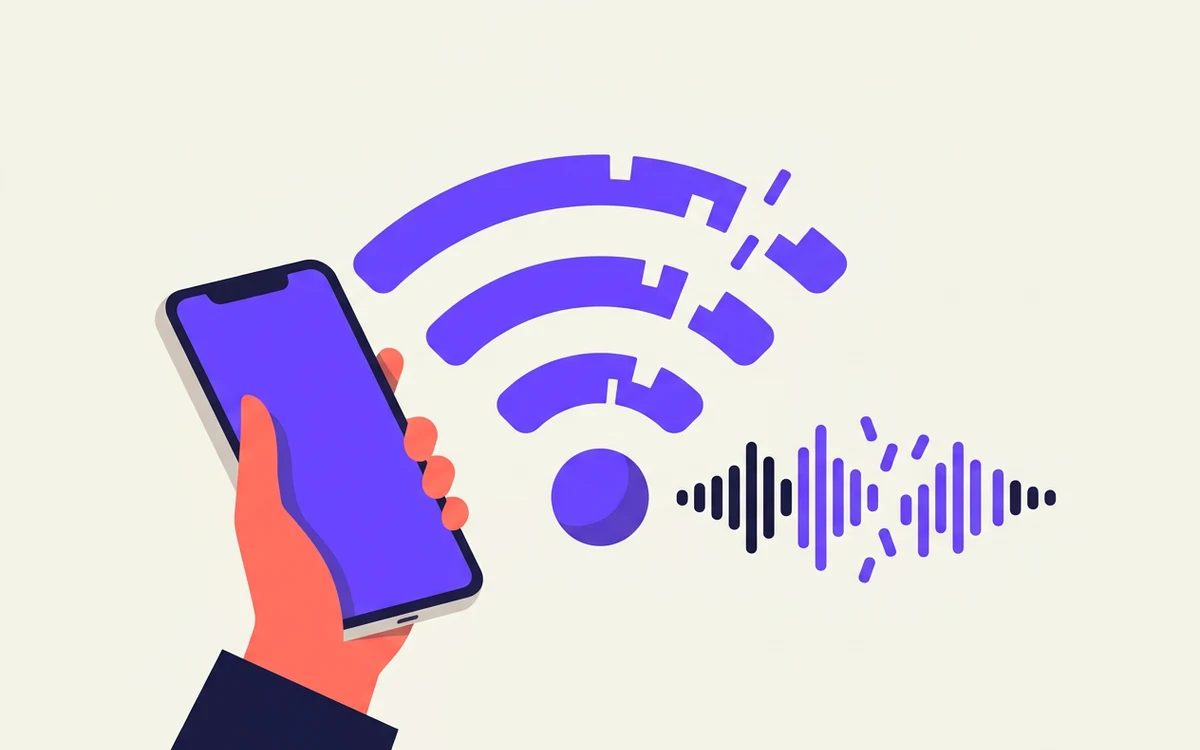
Choppy Wi-Fi calls are almost never about speed. A 500 Mbps connection can sound terrible. Here's what actually causes it and what to change.

VoIP just means your voice travels over the internet instead of the old telephone network. Here's what that changes, what it doesn't, and where it's worse.
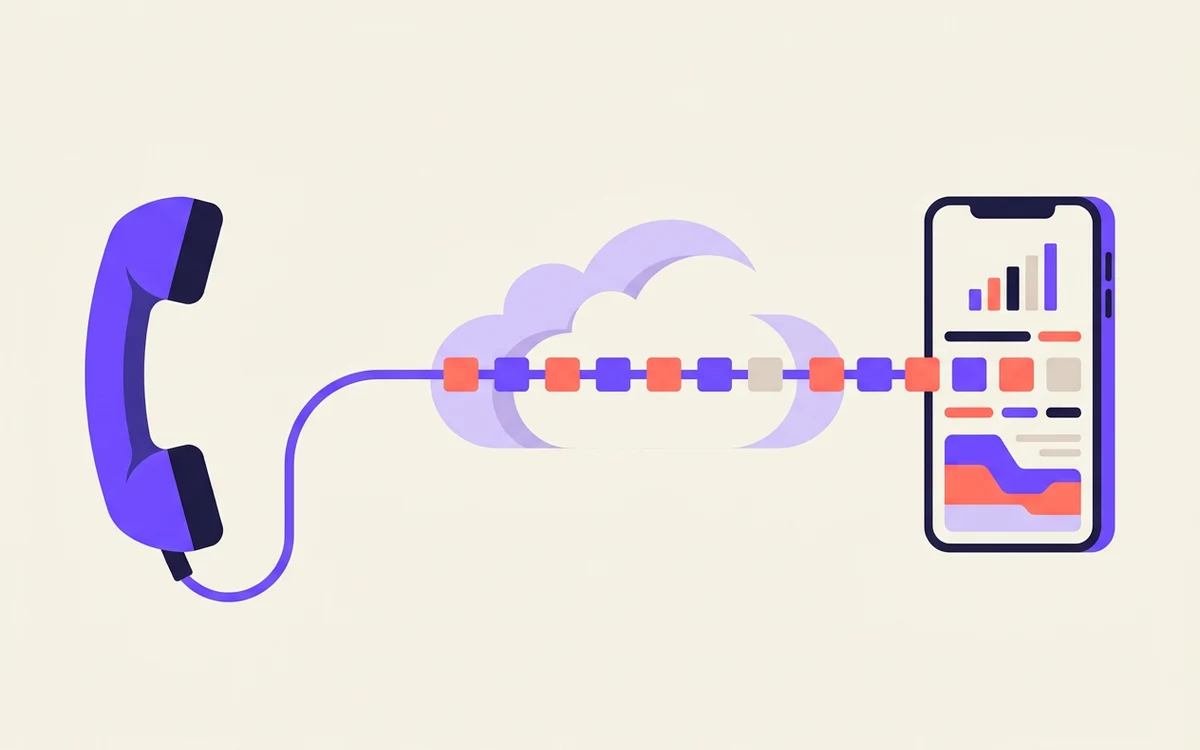
VoIP stands for Voice over Internet Protocol, which tells you almost nothing. Here is the plain version: your voice is turned into data and sent over the internet, rather than down the dedicated telephone network that has existed since the nineteenth century.
That is the entire idea. Everything else follows from it.
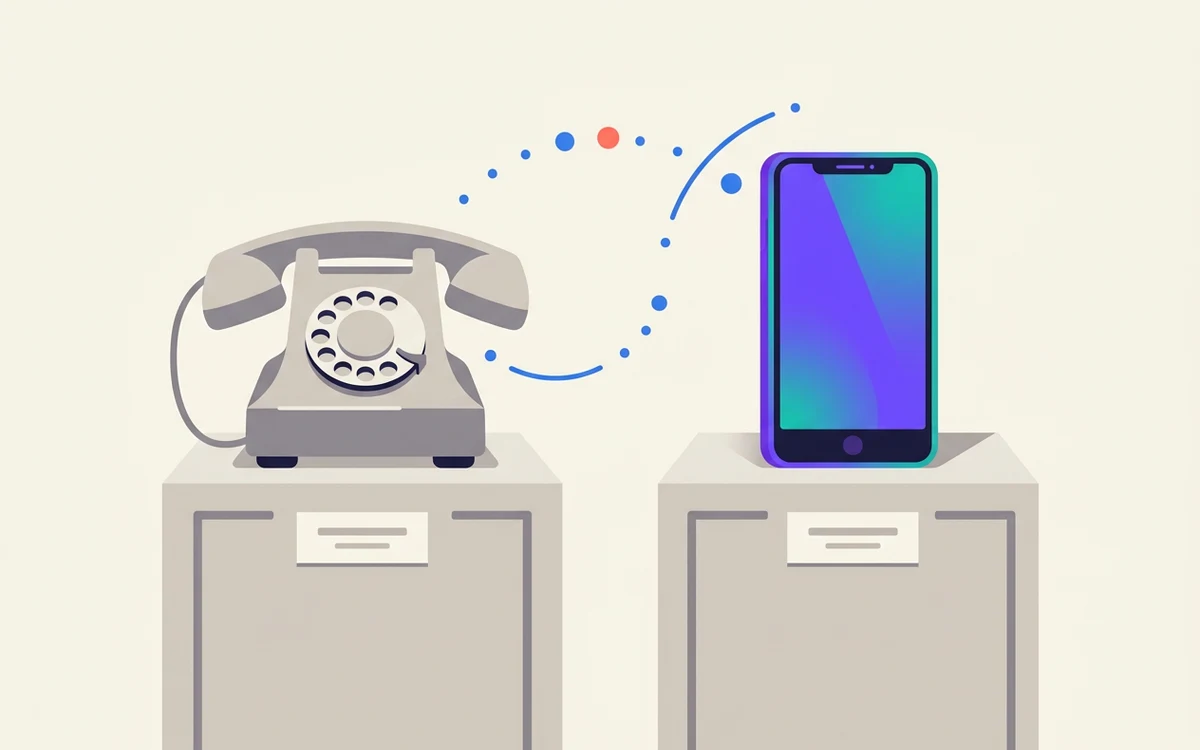
On a traditional phone line, making a call opened a dedicated circuit between you and the other person. That path was reserved for your conversation and nothing else used it until you hung up.
It was reliable and it was expensive, because you were occupying infrastructure whether you were talking or not. Distance cost money because longer calls crossed more owned equipment, which is why international calls once cost a fortune.
Your voice is sampled, compressed, and chopped into small packets. Each packet is addressed and sent across the internet, mixed in with everyone else's traffic. At the other end they are reassembled and played back.
No dedicated path. No reserved capacity. Just data finding its way, the same as an email or a web page.
Two consequences fall straight out of that:
Distance stops mattering. A packet to the next street and a packet to Australia cost the same to carry. This is why international calling collapsed in price.
The network makes no promises. The old circuit guaranteed your audio got through. The internet does not. It does its best, and when it is busy your call is what suffers.
Most people have been using VoIP for years without the word ever coming up.
That last one surprises people. In many countries the old copper network is being switched off and replaced with VoIP behind the scenes. The phone on the wall looks identical; what happens after you dial is completely different.
Cost. Dramatically cheaper, particularly for long distance and international.
Features. Because it is software, things that needed expensive hardware are now settings: multiple numbers, call forwarding, voicemail transcription, hunt groups, hold music, recordings.
Location independence. Your number lives in software, not in a wire in a wall. The same number can ring you in a different country.
Scale. Adding a line is a change in an admin panel, not an engineer visit.
Being honest about this matters, because the failure modes are real.
It depends on your internet. Power cut, router failure or outage means no phone. The old line had its own power and frequently kept working when nothing else did.
Quality varies with the network. A congested connection makes calls sound broken in a way a circuit-switched line never did.
Emergency calling is more complicated. A traditional line has a fixed physical address. A VoIP number can be used anywhere, which makes locating a caller harder. Providers handle this, but it is something to check rather than assume — particularly if the line is the only phone in a house.
On a decent connection, modern VoIP sounds better than a traditional line. Old phone calls were deliberately limited to a narrow slice of frequencies; VoIP can carry a much wider range, which is why a good internet call sounds noticeably clearer than a landline ever did.
On a poor connection it sounds far worse. Both statements are true, and which one you experience depends entirely on the network in between.
For most people and most businesses the question is already settled — you are using it, whether or not anyone called it VoIP.
The remaining case for a traditional line is reliability when everything else fails: a line that works in a power cut, in a place with poor internet, where someone may need to call for help. That is a real requirement and it is worth taking seriously.
For everything else, the cost and flexibility arguments are not close.
Choppy Wi-Fi calls are almost never about speed. A 500 Mbps connection can sound terrible. Here's what actually causes it and what to change.
The most common small business phone problems include using personal phone numbers, bare-bones voicemail, and non-local area codes.
A business landline costs real money every month for something most small businesses no longer use. Here's when it still earns its keep and when it doesn't.