What is VoIP, really? Explained without the jargon
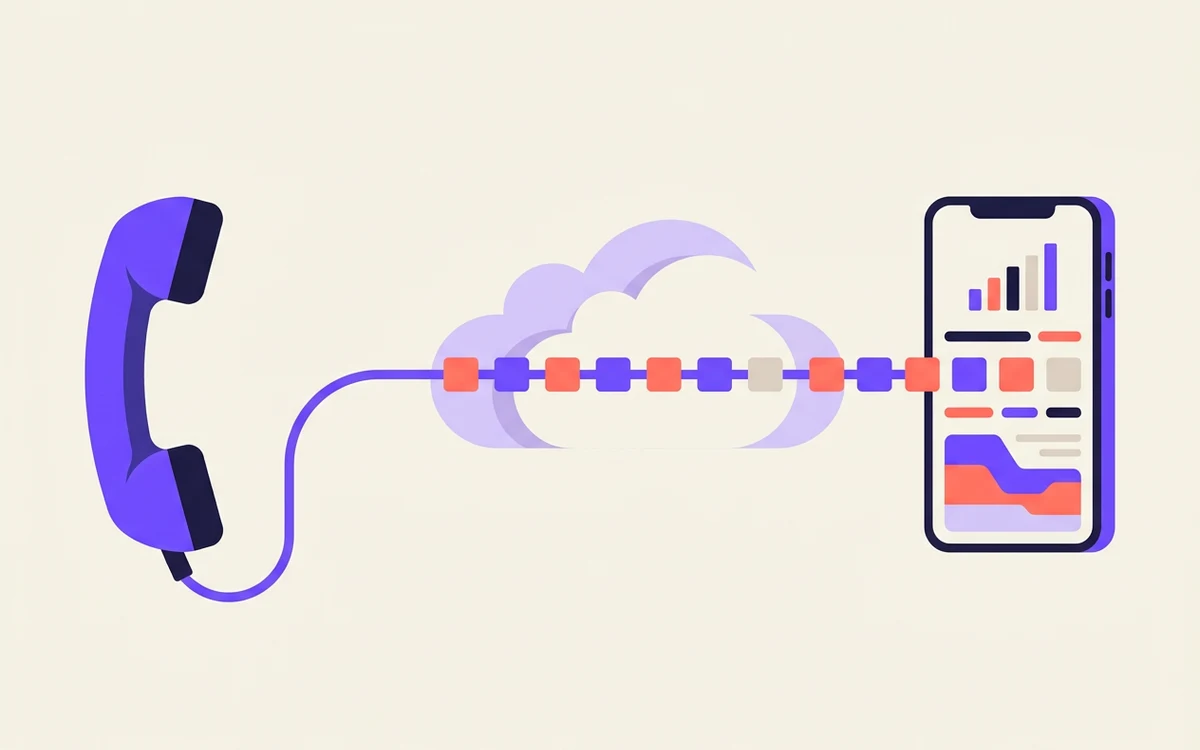
VoIP just means your voice travels over the internet instead of the old telephone network. Here's what that changes, what it doesn't, and where it's worse.

The copper network is being switched off on a published timetable. What replaces it mostly looks identical — until the power goes out.
This is not a trend piece. The copper telephone network is being physically switched off, country by country, on published timetables. It is an infrastructure retirement, not a change in fashion.
What replaces it is mostly invisible, which is the interesting part — and also where the problems hide.
The old network, built for analogue voice, has been running in parallel with internet infrastructure for decades. Maintaining two national networks to do one job stopped making sense some time ago.
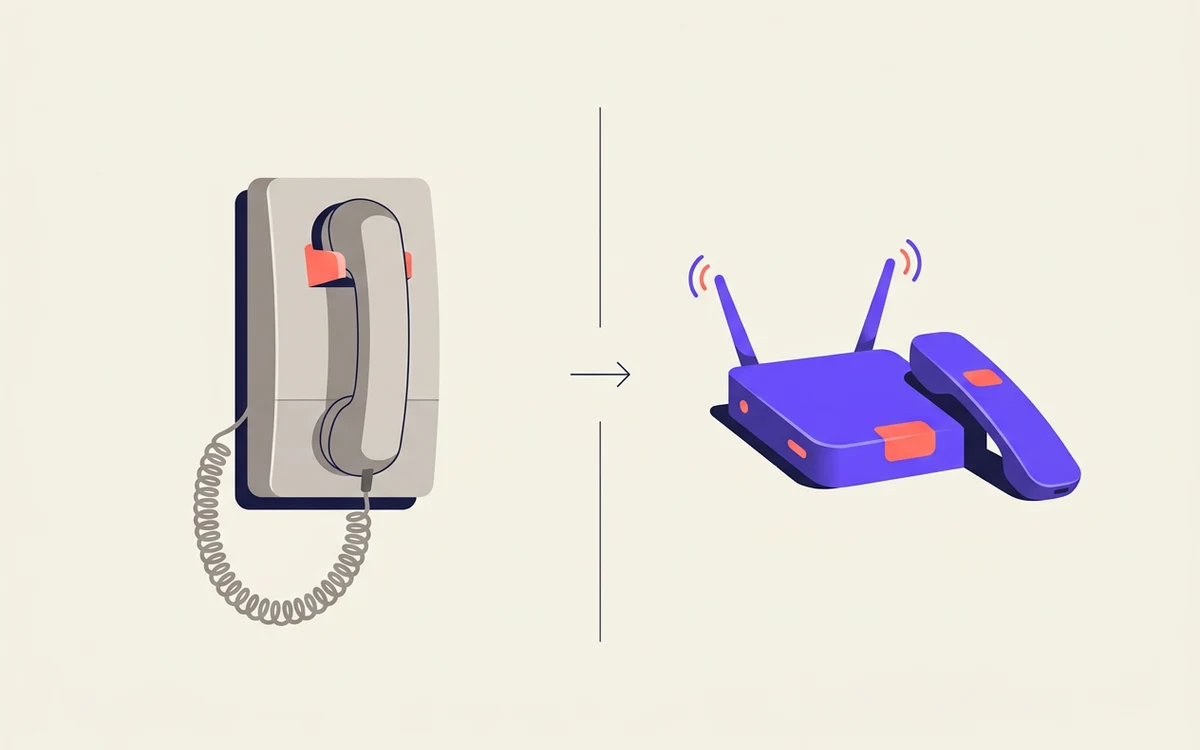
So operators are moving voice onto the internet and decommissioning the copper. In practice that means your phone socket stops being connected to a telephone exchange and starts being connected to a router.
Timelines differ by country and keep moving, but the direction has not changed in years. If you have a traditional line, assume it is on a clock.
The largest group. Huge numbers of households simply stopped having a landline and never replaced it. The mobile became the phone, and the socket in the hall became decorative.
For people who still want a home phone, the usual replacement plugs the existing handset into the router instead of the wall socket. Same phone, same number, same dial tone. Most people notice nothing.
Until the power goes out — see below.
For companies, the replacement is usually a hosted system: extensions, call routing, voicemail and the rest, all configured in a browser rather than installed in a cupboard.
For sole traders and small operators, the replacement for a business landline is often not a landline-shaped thing at all. It is a second number on the phone they already carry.
One difference matters more than all the others: the old line was powered from the exchange.
A copper phone worked in a power cut. It drew its power down the line from a building with generators. That is why the phone still worked when everything else in the house was dark.
A phone plugged into a router does not. No power, no router. No router, no phone.
For most households this is a minor inconvenience, because the mobile is right there. For some it is not:
That last group is the one that catches businesses out. A lift phone that quietly stopped working when the line was migrated is a serious problem nobody discovers until it is needed.
Mostly it is better. Calls can sound clearer, features that used to cost money are standard, and the number stops being tied to a building.
But the thing being lost is real, and it is not nostalgia. A phone that works when the power does not was a genuine piece of public resilience, and the replacement does not have it unless somebody deliberately adds it back.
That is worth half an hour of planning rather than finding out during the outage.
VoIP just means your voice travels over the internet instead of the old telephone network. Here's what that changes, what it doesn't, and where it's worse.
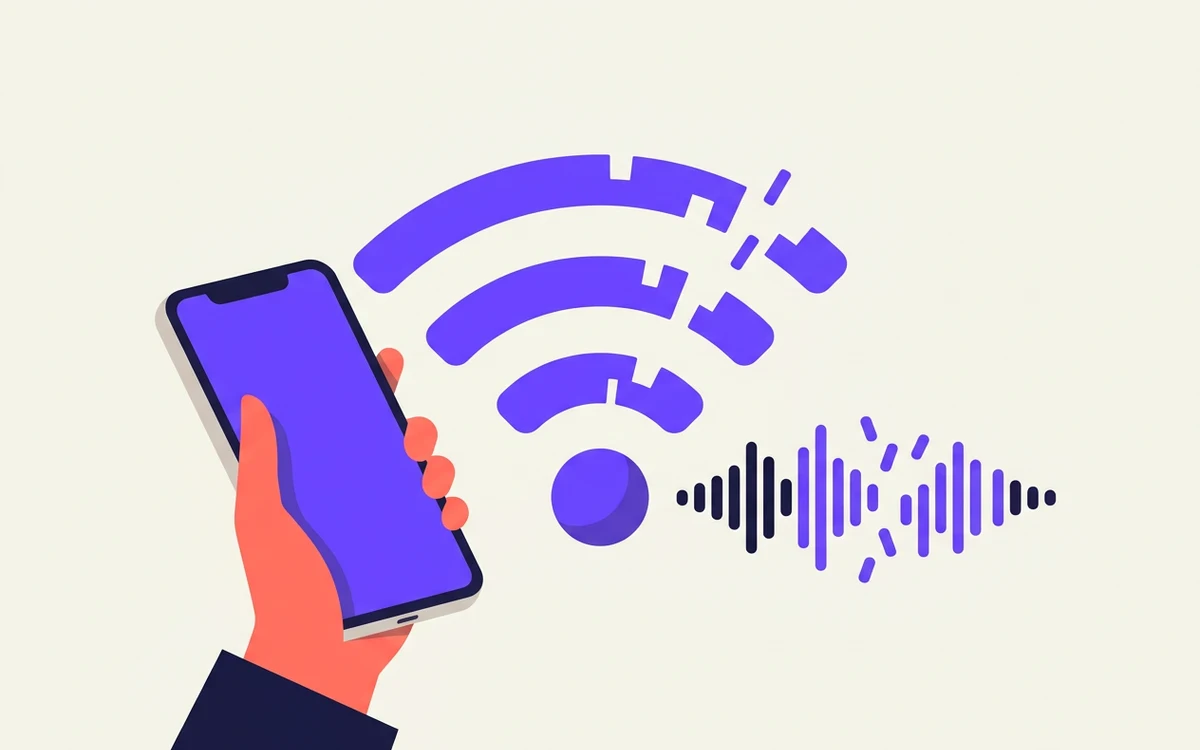
Choppy Wi-Fi calls are almost never about speed. A 500 Mbps connection can sound terrible. Here's what actually causes it and what to change.
The most common small business phone problems include using personal phone numbers, bare-bones voicemail, and non-local area codes.